About the Safety File
ProductSafety.help is an independent publication about one job: preventing unsafe or non-compliant products from reaching the market, and keeping them from remaining there when a problem is found.
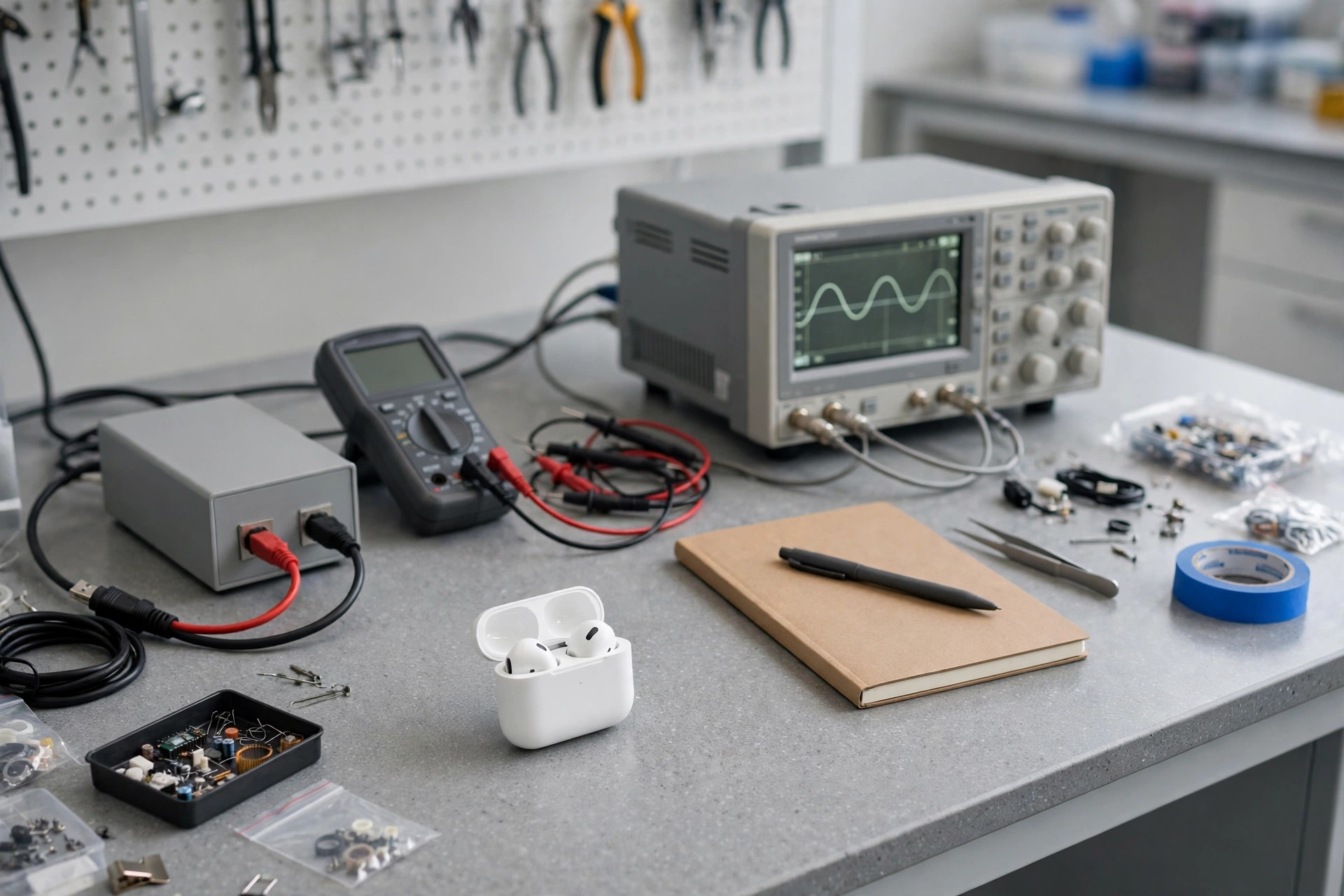
Most product safety advice is published by people selling something else: a test lab selling tests, a consultancy selling compliance packages, a platform selling seller services. Their guides are brochures with tips in them. This desk has nothing to sell. It reads the regulations, the standards and the official guidance, and explains, file by file, what the preventive work actually consists of.
The distinction that defines this site
ProductSafety.help asks: what must we do to make, document and keep this product safe and compliant? Its sister subject, product liability, asks a different question: what happens when a defective product causes damage, and who may be liable? The first question is preventive, the second is about consequences. This site stays on the preventive side. It does not explain liability claims, and readers with a liability question should read liability guidance and take professional advice for their case.
What we are not
We are not a consultancy, a test lab or a regulator, we do not inspect products for clients, and nothing here is a promise that any product complies. A guide can explain what a duty is, what evidence usually supports it, and what a file should contain. It cannot say whether a particular product, which the desk has never seen, meets that duty. That judgement belongs to the operator, its test lab and, where relevant, its professional advisers.
The rule about numbers and claims
Product safety content runs on borrowed authority: a threshold quoted without a source, a test result with no lab, a claim that a product is safe because a guide says so. This site does not publish numbers it cannot stand behind. Figures quoted here come from official sources named at the foot of the guide, are attributed in the text, and carry the date they were checked. Worked examples use round numbers and are labelled illustrations. When a guide cannot give a number, it gives the method to produce the evidence instead.
How guides are made
Each guide is written against the sources listed at its foot, carries the date its evidence was last checked, and opens with a safety file card summarising the subject, the safety goal, the evidence level and the first check. If a regulation, a standard or official guidance changes, the affected guides change and the corrections page records it.
Preferred sources
If these guides are useful to you, you can add ProductSafety.help to your preferred sources in Google so its pages are surfaced for you more often: add this site to preferred sources.